003 · Adventure Montenegro

CLIMBING

Bouldering, Multi Pitch, Sport Climbing

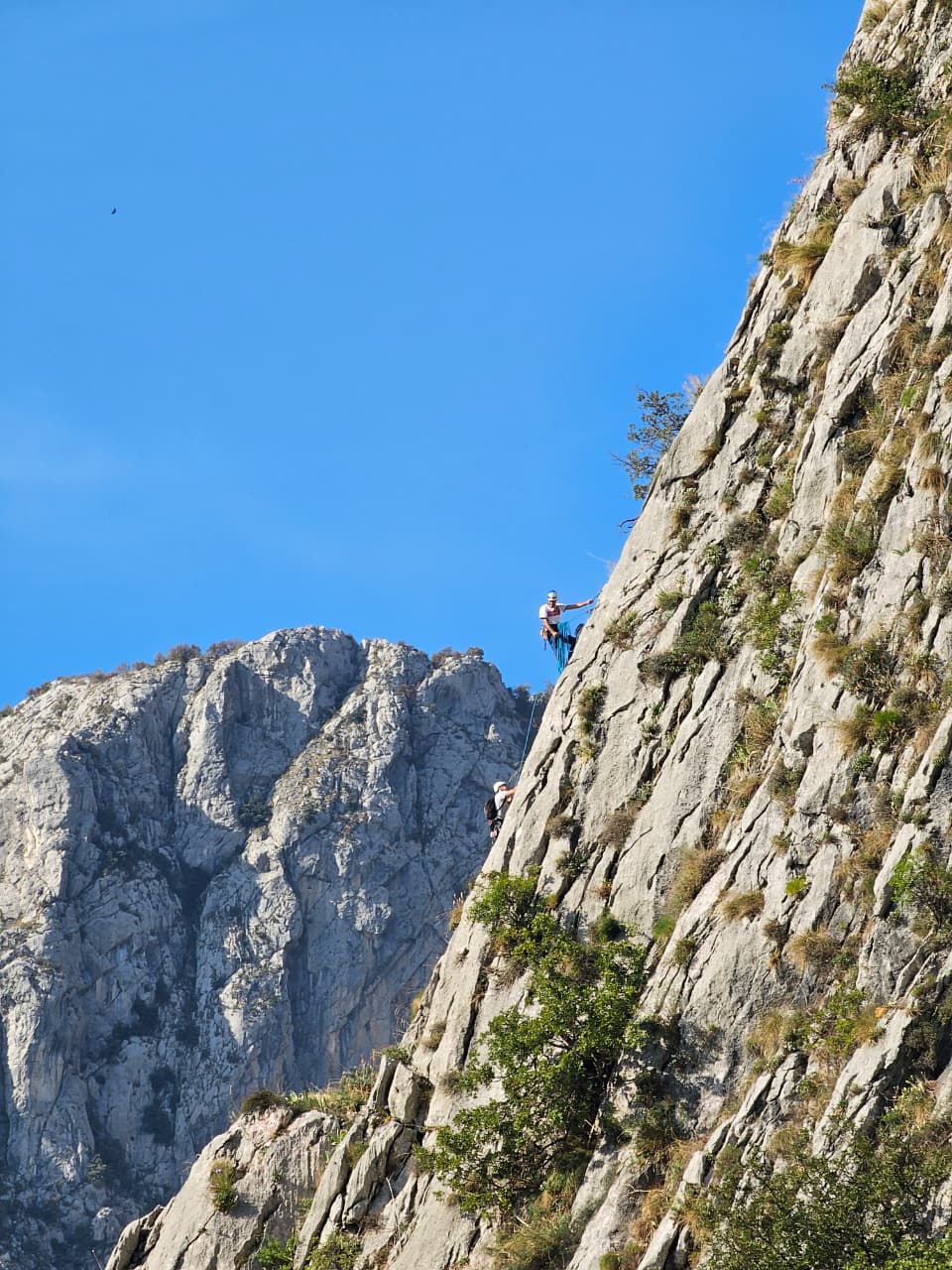
Rock climbing in Montenegro is a world-class experience. The country's dramatic mountain massifs of Durmitor and Prokletije offer more than 200 sport climbing routes rated from IV to X+ on the UIAA scale, as well as hundreds of multi-pitch routes for longer alpine adventures.

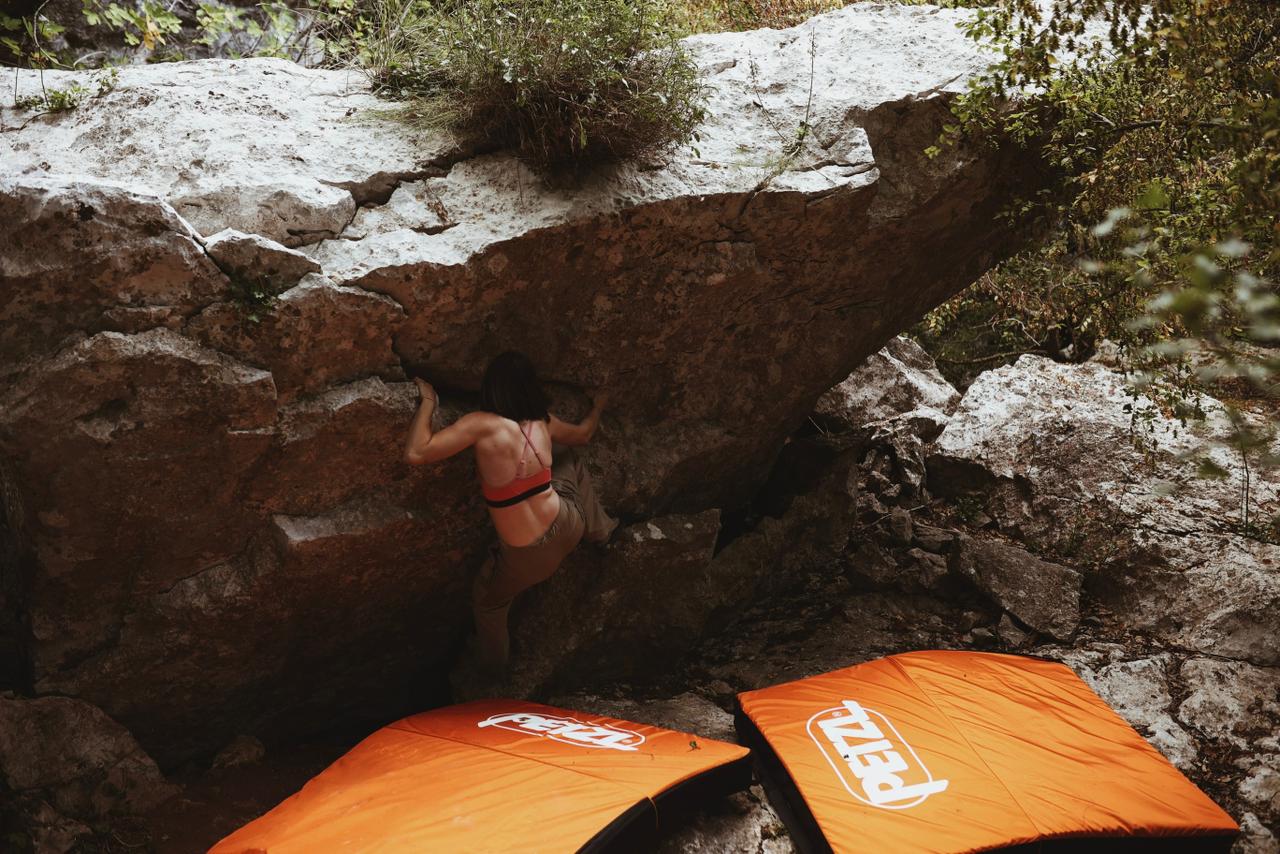
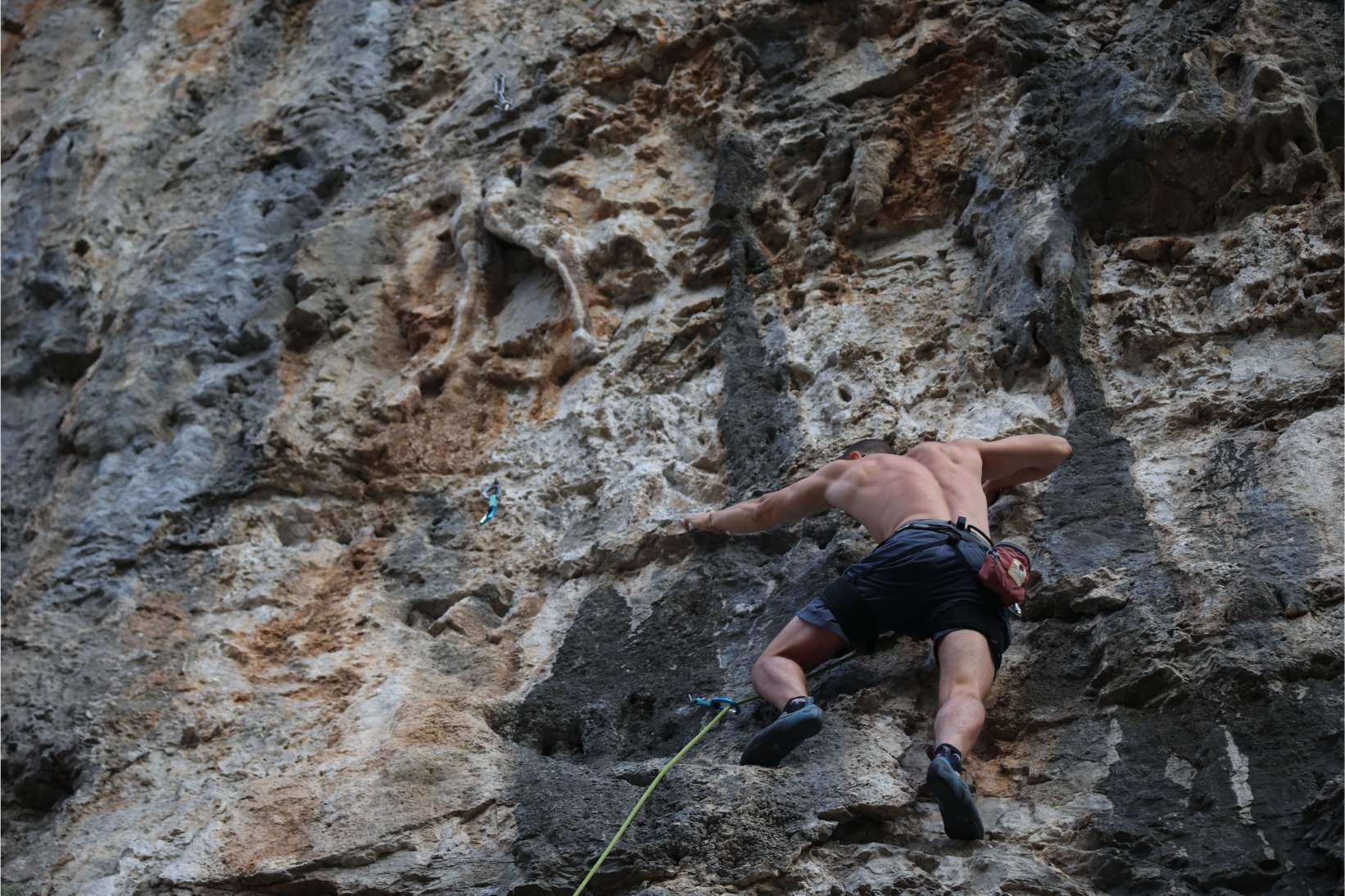
Whether you're new to climbing or an experienced alpinist, we have something for you. Our programs cover sport climbing at fully equipped crags, bouldering on natural formations, and guided multi-pitch ascents on big mountain walls. All activities are led by certified guides with deep local knowledge of the terrain.

Safety is our foundation: we provide all necessary equipment and tailor each session to the group's experience level, ensuring both challenge and confidence on every climb.

FAQ

Climbing in Montenegro — common questions

Where can you go rock climbing in Montenegro?

Montenegro is essentially tilted karst limestone, so the rock is good almost everywhere. Bolted sport crags are found at Kotor (Škaljari), Podgorica, Plužine, Kolašin and Bar, with over 200 routes from IV to X+ on the UIAA scale. Durmitor and Prokletije hold the big walls — more than 500 multi-pitch lines, some of them inside deep canyons — plus natural limestone bouldering.

Do you need experience to go climbing in Montenegro?

No. Guided beginner sessions assume no previous experience: the guide handles the rope and anchors, teaches you how to move on rock, and picks lower-grade routes to start on. All technical equipment — rope, harness, helmet and shoes — is included. If you would rather not climb under your own power at all, a via ferrata clips you to a continuous steel cable instead.

What climbing grades will I find in Montenegro?

Most local topos use the UIAA scale, written in Roman numerals such as IV, VI+ or VIII-. As a rough guide, UIAA IV–V suits beginners and improvers, VI–VII covers most confident recreational climbers, and VIII and above is where the harder sport projects sit. The bolted crags span IV to X+, so mixed-ability groups can climb at the same location.

When is the best time to climb in Montenegro?

May, June, September and October are the prime months on the coast and at the lower crags — cool, grippy rock and stable weather. July and August are hot at sea level, so climbers either seek shade, start early, or move up to Durmitor and Prokletije where 1,500–2,000 m of elevation keeps things comfortable. Mid-June to mid-September is the reliable window for high multi-pitch.

Is climbing equipment included?

Yes. Guided climbing, bouldering and multi-pitch sessions include the technical equipment for the discipline — rope, harness, helmet, belay devices, and crash pads for bouldering. You are welcome to bring your own shoes. If you would rather use your own harness or helmet, show it to the guide first so they can check it meets current standards.